Week 11: Labor
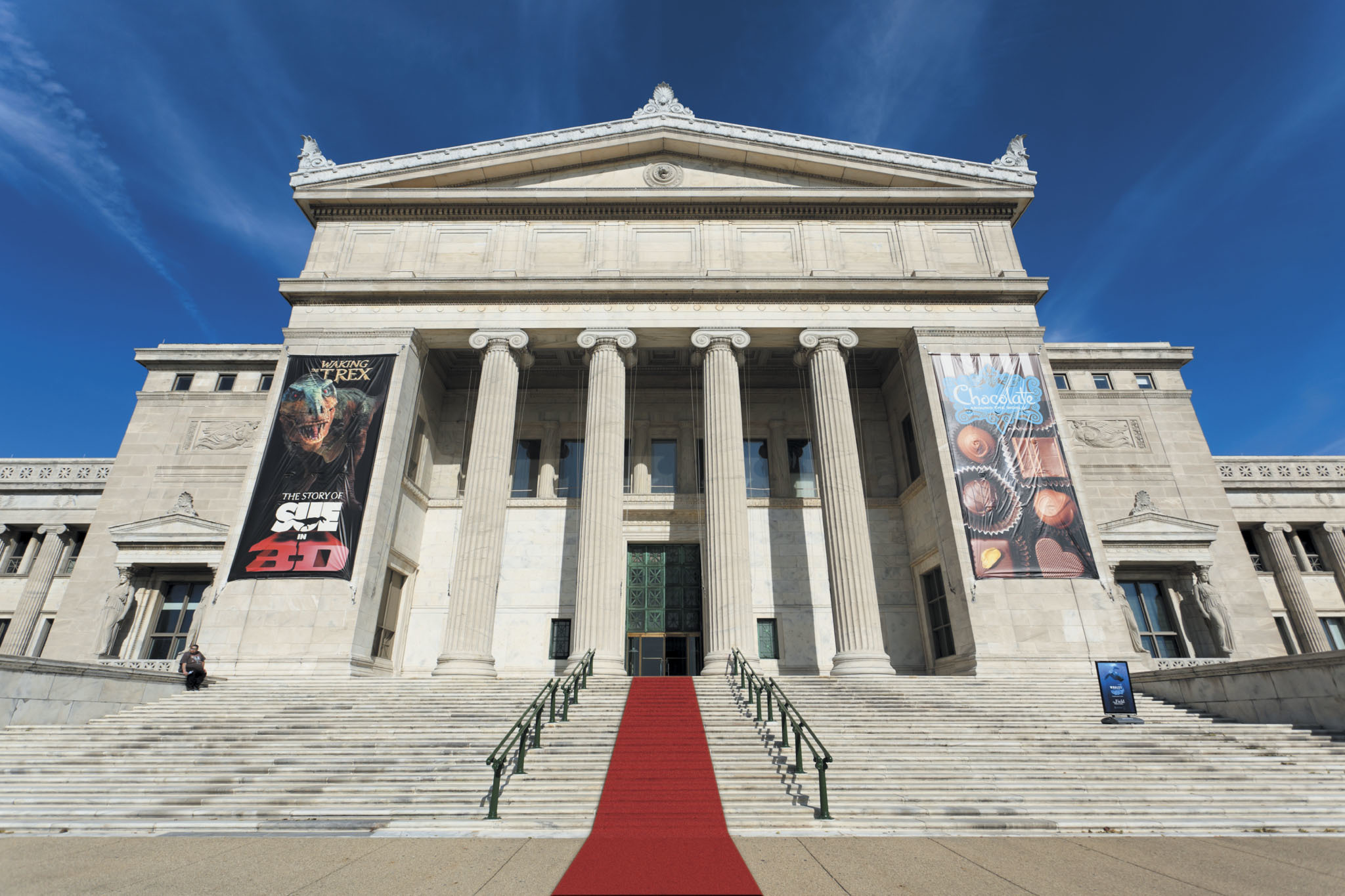
Museums have an aura of timelessness;
museums seem to have been around since the dawn of time. The stature of the building
that are designed to impress but also to impose a sense of betterment. This has
allowed museums impose their own will. So how can an establishment that seems
genuinely wise be naive to the world around them? The problem is museums is
that they are sticking to their old ways and not inviting change that would benefit
the art world. It has put a chokehold in the progression of museums ultimately leading
to the decay of the establishment since it has turned itself into an irrelevant
subject. Museum have neglected audiences
outside of their normal goer making them complacent. They also have failed to
offer outside arrangements to encourage people to further their art careers. Museums
are ultimately leaving out different perspectives and not allowing the revival
of the art culture.
Data collected proves
that museums are failing to offer people something different. In a research
report, “Interrogating Institutional Practices in Equity, Diversity and Inclusion”
by Liam Sweeny and Roger C. Schonfeld it conveys one problem with museum which is
its demographic of staff. Most of staff in museum are white. For a museum to achieve
equality they will need to have a diverse staff, meaning that races and ethnicities
need to be seen in the boardroom and into the educator position and teaching
the audience about the artwork. However, the research paper was not meant to
point out all the wrongs in the museum world but mean to offer a way out of the
systemic issues. For museums to get out of the habit of only hiring whites they
can hire people with a nontraditional background. With nontraditional
backgrounds there is more is an invitation for museum to hire people that are different
form their hiring pool. This would open more opportunities for people but give
the opportunity to museums to add inclusiveness and diversity to their organization.
But the best way for
museum to add to their career opportunities is to pay their interns. Non Paying
internships have lessened the opportunity for people who cannot afford to work
without pay. With this it is usually whites applicants that have the finical withstanding
to take internship without pay making them more qualified for a position in the
art field once more furthering the gap of diversity and inclusion on museums
half. And free labor makes the museums look bad. If museum by themselves are
not willing to make this change. It will take an effort form interns and past
interns to let it be known that free labor is never acceptable. When interns
collect data of their internship pay or lack of pay then their career income
will prove the inequality and vast difference of pay within the industry.
Bibliography
Fisher, Michelle Millar. “Culture Workers, Just Say No to All Unpaid Internships,” November 18, 2019. https://www.artnews.com/art-news/news/unpaid-interhips-art-museums-transparency-oped-12974/.
Sweeney, Liam and Roger Schonfeld. "Interrogating Institutional
Practices in Equity, Diversity, and Inclusion: Lessons and Recommendations from
Case Studies in Eight Art Museums ." Ithaka S+R. Last Modified 20
September 2018. https://doi.org/10.18665/sr.309173.


Not paying interns is ridiculous. If they insist that the interns not be paid, they should at least receive some kind of monthly written recommendation from another museum so they know they're efforts were going somewhere. Possibly include in writing that its okay for the intern to contact the museum that made the letter in question and obtain verbal approval.
ReplyDelete