Week 8: Authorship
Words that are on the page only
work as words. There is nothing behind the words a person reads: no agenda, no background
story, or any future. Roland Barthes makes the argument an author’s ambition of
writing is not reflected in the words he or she writes nor in the meaning of
the text. This is the premises of, “The Death of the Author”. When reading the reader wants to find out the mystery
to all writings, why is the author writing this and what did the author mean by
writing it? Barthes says, “the explanation of a work is always sought in the
man or woman who produced it, as if it were always in the end, through the more
or less transparent allegory of the fiction, the voice of a single person, the author
‘confiding in us.” Readers look to the author like the way the faithful look at
God.
“Give a text an Author is to impose a limit in that text”1 If
the reader knows everything about the author it creates biases. Whatever the
author says is the gospel truth, the reader will not question the author. It
creates a cult personality. It shrouds own personal interpretation and own personal
growth. The reader will feel the need to adopt the personality of the author. This
can create unoriginal thoughts in the readers how are trying to think like
author. This may also affect the readers ego which in return will create a
false persona that replicates that of the author.
An example
of unoriginal thoughts come in the form of plagiarism. Sherrie Levin’s artist statement
purposely plagiarizes Barthes because that is what her art does. But to also
make a statement about how the author is irrelevant to what they created. But
that there are no new ideas or original thoughts like Barthes said in his own writing.
The reader is the one with all the
answers. Reading offers the reader something new, something to think about and
it can shape the reader. The reader can ask themselves the questions what does
it mean to me or how can I use what is being said latter down the road? When
reading the audience needs to understand that the author merely expressed their
perspective. It’s up to the readers to interpret and apply this information in
a healthy manner.
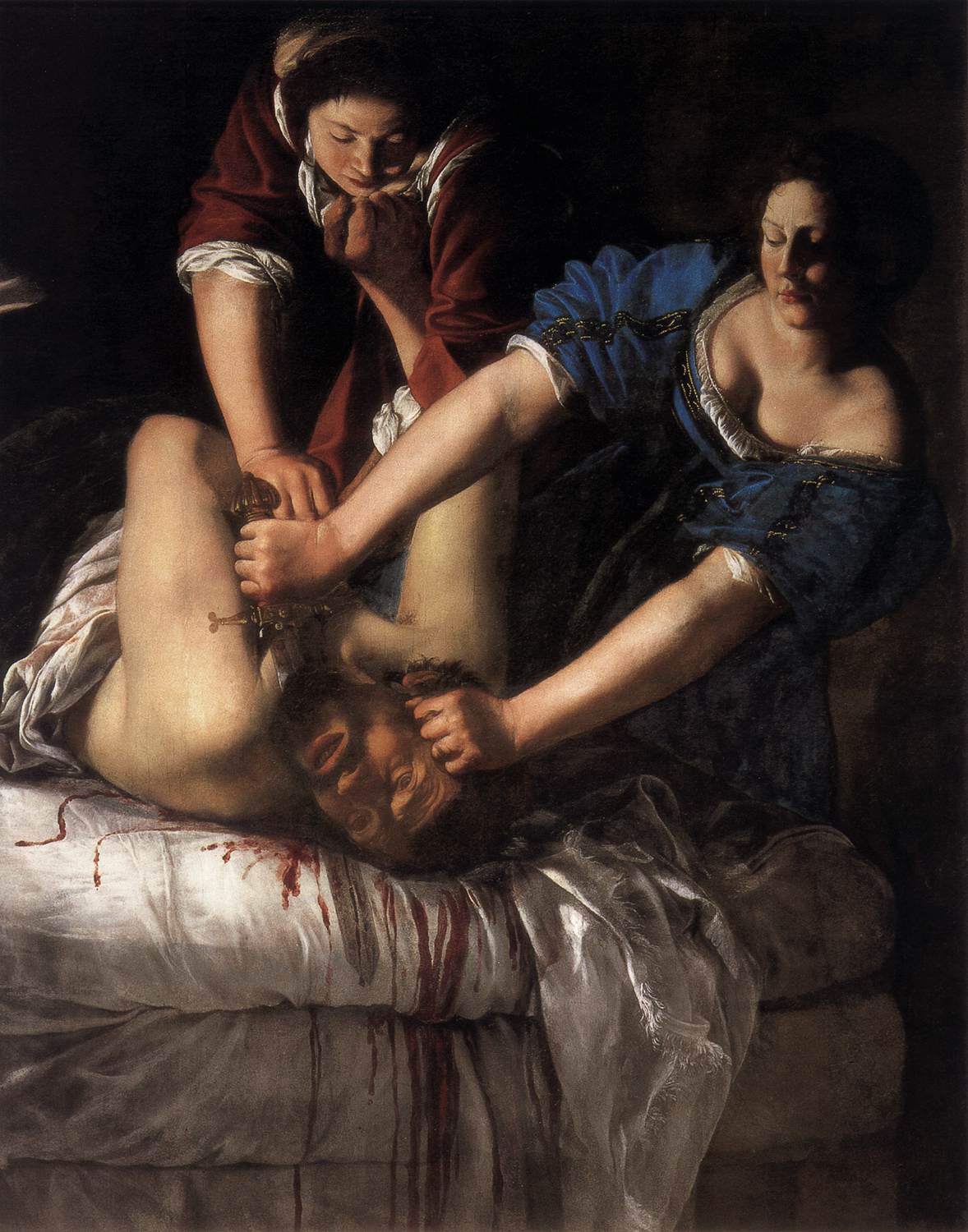
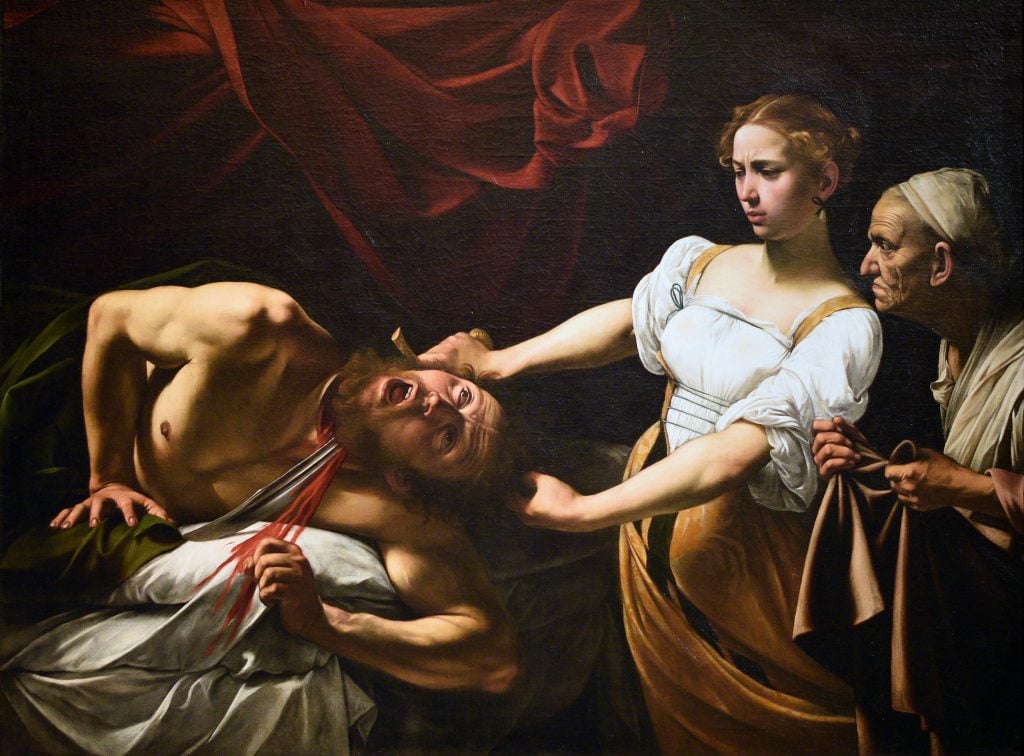


Hey Rachel, you make a good point about readers deifying the authors of the stories that they read. It should definitely be noted that an author’s explanation is just one person’s interpretation, and that everyone else may have a different opinion about the work. Good job on your post this week, you made solid points and you elaborated on them well.
ReplyDeleteThank you, Miguel,
DeleteThis week reading opened my eyes because I was the person who would look up authors’ stories all the time. And get caught in what the author had to say and didn’t think for myself. It’s important to see authors just as authors since they are offering an opinion like everybody else. Sometimes the author can be wrong about what they are writing, and it is good to question what is being read.
Since you put up the two Holofernes paintings, do you consider that as plagiarism or interpretation? Good thoughts on the reading though, especially the "Readers look to the author like the way the faithful look at God." and "This may also affect the readers ego which in return will create a false persona that replicates that of the author."
ReplyDeleteThank you, Ashton,
DeleteI appreciate that you like some sentences I wrote in my blog. The writing inspired me and feel like I had something to say about “The Death of the Author”. With Judith slays Holofernes paintings, I do not think it is plagiarism at all. I think those paintings prove that people can interpret an author differently. Gentileschi is more serious and less stylized than Caravaggio.