Week 7: Oppositional Gaze
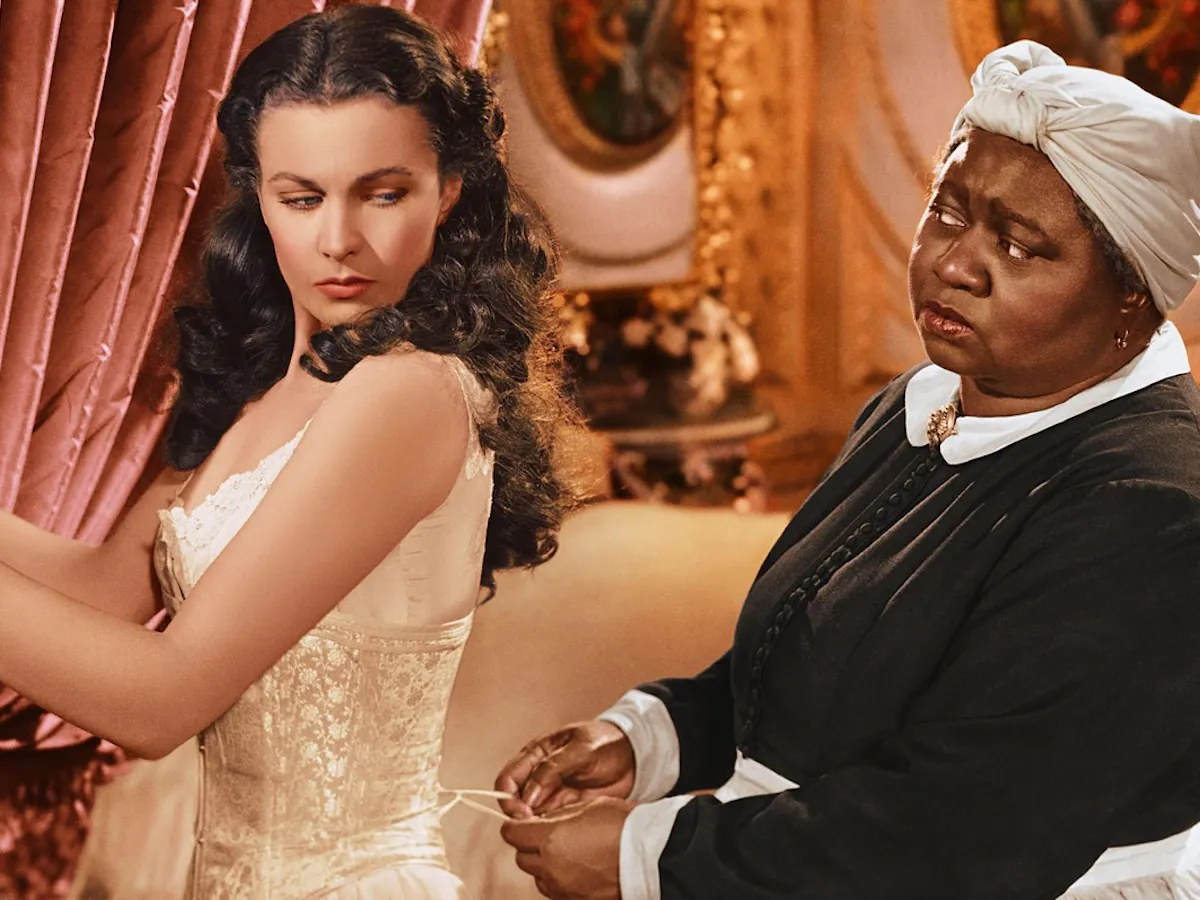
Hollywood has not welcomed black women into their movies or
into their audiences. Movies are for white males but has the interest in
depicting white women as the only subject. The gaze of the audience is to
escape their reality. Where the Black community does not have the luxury of
escaping their reality, it is dangerous to forget where they are and who they
are. The black gaze is taught to other Blacks because there are consequences to
unchecked gazes. The black gaze must be critical and document what is happening
around them. It must look for danger and threats because, that is what Black
reality is made up of threats to their wellbeing.
For the security of Blacks, they watch films and television
different from their white counterparts. Blacks removed themselves from the
absorption into the film but can get visual pleasure out of movies and
television. “The Oppositional Gaze” written by Bell Hooks, explains how Black
women view films and television. “Critical discussion of the film while it was
in process or at its conclusion maintained the distance between spectator and
the image.” One, is the way black women view the entertainment they are
watching. A reason why black woman separates themselves from a movie is because,
it does not represent them humanly. Hooks states, “even when representations of
black women were present in film our bodies and being were there to serve–to
enhance and maintain white womanhood as object of the, “phallocentric gaze.” Two,
Black women are not to being seen as desirable or to be seen at all. Hollywood
uses them as props to highlight the whiteness of an actress, and when black
women are seen they are to be as light as possible because, white is right.
Now, it can be said that white women are degraded for only
being sexual objects in films. The white male gaze exposed white women to a
position that is unjust. They are not just sex fetishes. An argument made by
Laura Mulvey, in “Visual Pleasure and Narrative Cinema.” Where Mulvey falls in
her essay is to mention how black women are viewed. Ignoring racism that plague
cinema and only focused on white women’s oppression of being objectified. White
women view themselves as victims and condemn men for their gaze. Instead, Hooks,
offers a different perspective. “Looking at films with an oppositional gaze,
black women were able to critically assess the cinema’s construction of white
womanhood as object of phallocentric gaze and choose not to identify with
either the victim or the perpetrator.” Three, because they can look at the film
with a critical eye and understand they can dispute this notion. Second, how
can they when they are represented as overtly sexualized to the point of
dehumanization or as men in drag.
bell hooks, The Oppositional Gaze, in Black Looks: Race and Representation, 115-31 Boston: South End Press, 1992.


This was a good analysis. I liked how you had many forms of evidence to support each go your points. You could work on how you transition between points to make your information flow together a bit more like using a few less numerical transitional terms( three, second) and just touching upon a previous idea a bit more before moving on to the next point. Do you think black women are still being used to highlight other characters in today's cinema?
ReplyDeleteMaybe just use transitional terms instead of numbers? I see that you have "three" and then "two at the very end with no "one" which is confusing. Maybe from your last sentence you should expand upon it and add black face too.
ReplyDelete