Week 10: Deaccessioning and Acquisition

All art museums have a standard for their establishments and when a person goes into a museum, they are welcomed with art pieces they know they will be seen time and time again. The museum's permanent collection is how art museums are able to gain a reputation for themselves, to have a prized piece will elevate the status of the museum and will influence the amount of donations they recieve. Directors and curators of museums know the impact of permanent collection and look for ways to establish theirs. The best way of forming a collection that fits the need of the museum is to sell art that is already in their possession for money to purchase new art. However, the actions of deaccessioning art works have taunted the museums and still does.
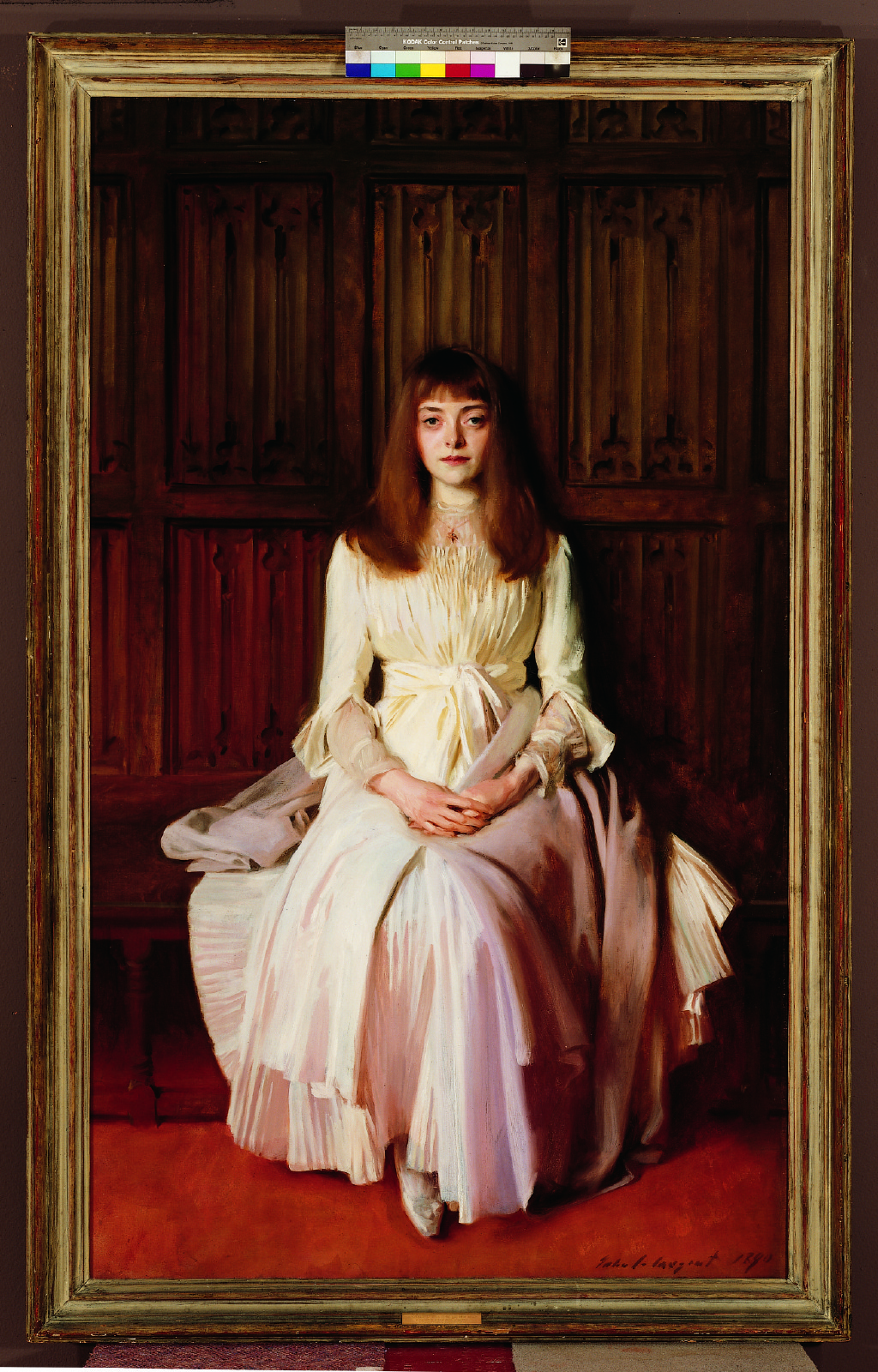
Museums have a code of ethics and deaccessioning an art piece from the permanent collection is betraying the public that the museum is meant to serve. But the museum needs art pieces that best interact with the audience. This is a lot harder to do when the museum is a local museum. An example of a local museum is the Fine Arts Center in Colorado Springs, Colorado. “The Fine Arts Center collecting mission focuses on art produced in the Americas.” The advantage the Fine Arts Center has is in their permanent collection is Georgia O’Keefe’s Dark Iris No. 1 and John Singer Sargent Portrait of Miss Elise Palmer, or A Lady in White. These paintings are worth a lot and offer the museum more options so they can acquire contemporary art that depicts the Americas the way the Center wants. Yet, the museum will be losing its history since both artists are American and have ties to the state of Colorado. If the Fine Arts Center was to sell these pieces, there is naturally going to be controversy. Christopher Knight explains in, “Museum Deaccessioning Done Right”, “the real conflict is over the quality of what is being sold and how the income is spent.” The community of Colorado Springs will not allow its art history to be sold. Even if it came with a copious offer of money and potential add ons to the modern influence of the center. Even if the center were to have its eye on Illegal Alien’s Guide to Somewhere Over the Rainbow by Enrique Chagoya.
Enrique Chagoya adds to the Fine Arts Center by completing their mission statement of art done in the Americas. Enrique Chagoya is a Mexican born artist giving the center more dimension of the artist they are showing. But most importantly, it gives Mexican American or Mexican immigrants more reason to go to the Fine Art Center. Their story can be represented by someone who represents the culture and understands the composting world of being Mexican in America. This would be extremely beneficial since Colorado has a large Hispanic community. Despite this, the Fine Arts Center cannot part with its permanent collection.
This leaves the Fines Art Center to seek out private collectors and see if they are willing to loan out their private art to fill the walls of the center. There is a struggle since most art collectors have high standards when it comes to their art being shown. But all art collectors want their art validated in the sense they have good taste in art.This is the dominating reason why art directors have seen private collectors share their art for a long period. This ultimately is a win win for all parties since private collectors gain popularity and local museums gain additional art that further strengthen their collection.
There are legal agreements that both parties must go through before the art can be displayed. The transportation of the artwork, the insurance on the artwork, and the conservation would have to be discussed too. The museum will have to spend money for this. But there is an ethical issue to seeking out private collectors, especially when contemporary art is involved. The lender must not be on the museum board or let the lender have authority of the curatorial process. Thus allowing local museums to have control over the process of selecting appropriate art. There are options for museums but the art should not be deaccessioned especially if the museum has a small collection. Museums should strive to preserve their established pieces and bring new art that amplifies the existing mission.
Citions
“ATFAO Report: Lending Art
to Museums for Special Exhibitions.” Lending Art to Museums for Special
Exhibitions. Traditional Fine Arts Organization . Accessed October 30, 2020.
http://www.tfaoi.com/aa/7aa/7aa993.htm.
“Permanent Collection.”
Accessed October 30, 2020.
https://fac.coloradocollege.edu/exhibits/permanent-collection/.
Herman, Alexander. “Done
Right, Selling Museum Pieces Can Work-but Probably Not with Michelangelos.” The
Art Newspaper. The Art Newspaper, September 25, 2020.
https://www.theartnewspaper.com/comment/museums-deaccessioning.
Knight , Christopher.
“Museum Deaccessioning Done Right,” March 15, 2009.
https://www.latimes.com/entertainment/arts/la-ca-deaccession15-2009mar15-story.html.
Lubar, Steven. “Museums
Need Collections and Connections.” Medium. Medium, August 10, 2018.
https://medium.com/@lubar/museums-need-collections-and-connections-375543f9d331.
Taylor, Kate. “Can
Collectors Have Their Art And Lend It, Too?” NPR. NPR, January 18, 2010.
https://www.npr.org/templates/story/story.php?storyId=122619567.


The only "problem" I see here is that you misspelled "Citations". Are those two paintings ones that they have thought about selling or that you think they could sell? I was a bit unclear on that from reading this. If not, what do you think they should sell if anything?
ReplyDelete